the 1st edition of the
Click on any speaker to view their full biography and academic profile.
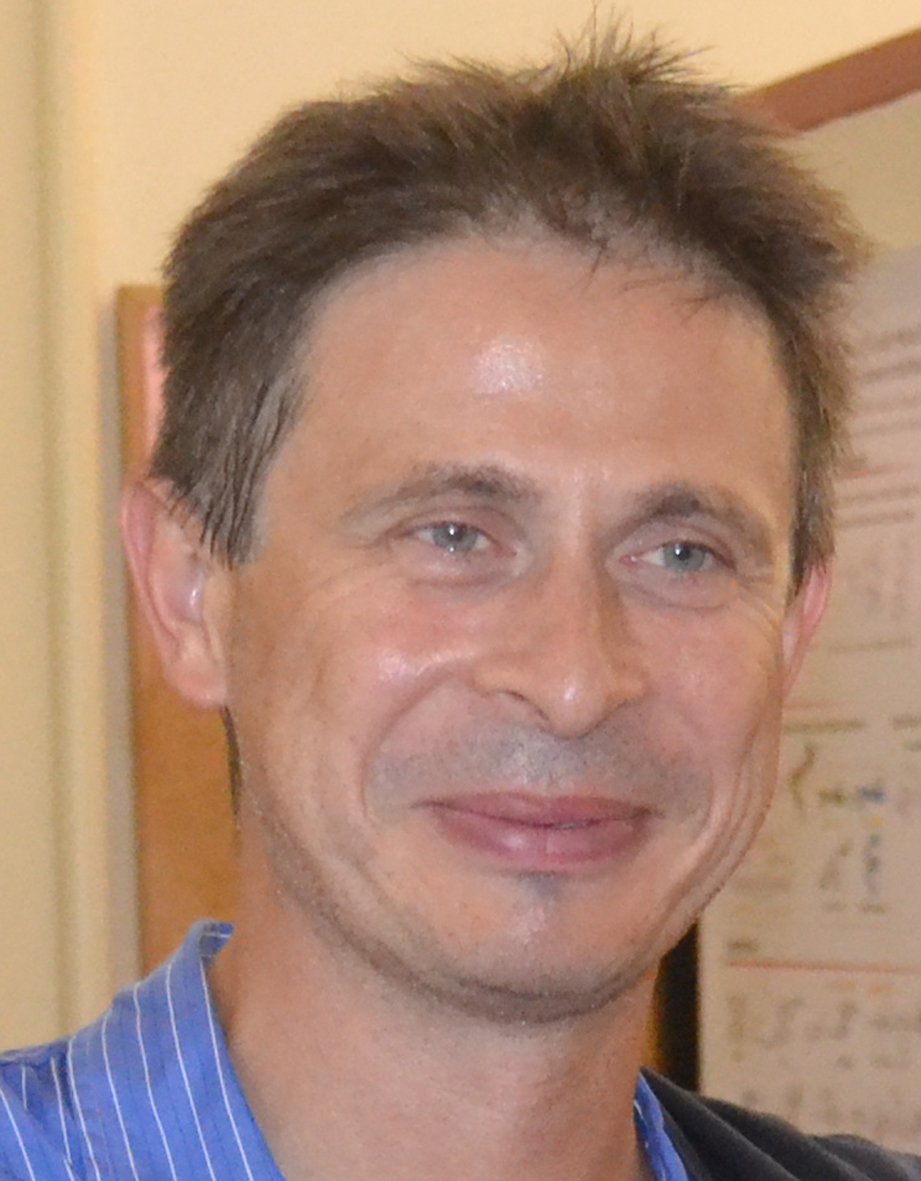
Narcis Avarvari received his PhD in Chemistry in 1998 from the Ecole Polytechnique, Paris, working in phosphinine chemistry. After a one-year postdoctoral stay at the ETH Zürich, he obtained in 1999 a CNRS permanent research position at the IMN in Nantes, and then he moved in 2001 to the University of Angers. He was promoted in 2010 as CNRS Director of Research (DR2), first class (DR1) in 2016 and exceptional class (DRCE) in 2023. He held between 2009 and 2022 an associate professor position at the Ecole Polytechnique, Paris.
He was awarded with the 2007 Prize of the French Chemical Society, Coordination Chemistry Division, 2007 “Gheorghe Spacu” medal of the Romanian Chemical Society and he held invited professor positions at the University of Lund, Sweden (2013), the University Babes-Bolyai, Cluj-Napoca, Romania (2016) and at the Institute for Molecular Science (IMS), Okazaki, Japan (2022-2023).
In 2020 he was elected member of the European Academy of Sciences (EurASC), Chemistry Division. He is currently developing various projects related to molecular materials derived from tetrathiafulvalenes, metal dithiolene complexes, functional helicenes and coordination polymers, coordination chemistry with nitrogen based ligands, and chirality related topics.
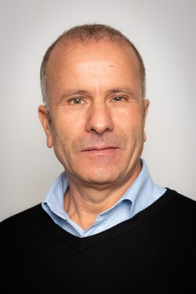
Ahcène BOUMENDJEL is a Professor of organic chemistry at University Grenoble Alpes.
He earned his PhD degree in organic chemistry of natural products from the University of Reims. He was a NIH postdoctoral fellow working on chemistry and biochemistry of sphingolipids at National Institutes of Neurological Disorders and Stroke (NINDS), Bethesda.
He joined the Pharmacy School of University Grenoble Alpes as an assistant professor then became a full professor of organic and medicinal chemistry. The research areas of Pr. BOUMENDJEL deal with medicinal chemistry of natural products with particular focus on anticancer and anti-infective agents derived natural products.
Prof. Boumendjel has published over 165 international publications and he is the co-owner of 13 patents.
Useful Links:
• University Profile (UGA)
• ResearchGate Profile


Andreas Bund studied chemistry at Saarland University (Germany), where he completed his doctoral thesis under the supervision of Guenter Schwitzgebel. In 1999, he moved to TU Dresden (Germany) to join Waldfried Plieth's group. There, he habilitated in 2004 and received the venia legendi in physical chemistry.
A Heisenberg Fellowship from the German Research Foundation (2005–2009) gave him the opportunity to spend some time at the University of Utah (USA) in the lab of Henry S. White working on the numerical simulation of electrochemical processes.
After a visiting professorship at the Technical University of Munich (2009–2010, Chair for Interfaces and Energy Conversion), he was appointed full professor for "Electrochemistry and Electroplating" at the Technische Universität Ilmenau (Germany) in August 2010. His research interests are fundamental and applied electrochemistry for surface finishing and electrochemical storage and conversion of energy.
Prof. Dr. Özgür Ceylan graduated from the Department of Biology, Faculty of Arts and Sciences, Muğla University, in 2000. He received his M.Sc. degree in 2003 and his Ph.D. degree in 2007 from the same university. His master’s thesis focused on the phenotypic and molecular identification of Pseudomonas and related genera, while his doctoral thesis focused on the production of novel antibiotics from Streptomyces.
His research has primarily focused on the investigation of the biological activities of natural products, including antimicrobial, antibiofilm, antioxidant, antimutagenic, and anti-quorum sensing activities. His studies have mainly involved plant essential oils and extracts, as well as bee products, particularly honey and propolis. More recently, his research has expanded to include the biological and microbiological activities of newly synthesized chemical compounds, drug-delivery vehicles, and boron-containing compounds.
Prof. Dr. Ceylan has published 106 scientific articles in internationally indexed journals, the majority of which are indexed in the Web of Science database, as well as 7 articles in nationally indexed journals. He has supervised master’s theses and coordinated nationally funded research projects. He has also presented 81 oral and poster presentations at national and international scientific congresses.
He has been working in the Section of Food Quality Control, Department of Food Processing, Ula Ali Koçman Vocational School, Muğla Sıtkı Koçman University, since 2011. He was promoted to Associate Professor in 2016 and to Professor in 2022. Since 2022, he has also been serving as the Director of Ula Ali Koçman Vocational School, Muğla Sıtkı Koçman University.
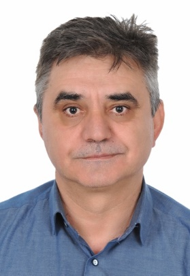
Title of Presentation: "Engineering Cellulose for a Sustainable Future: From Green Chemistry to Advanced Functional Materials"
Dr. Sergiu Coșeri is a senior researcher and Head of the "Polyaddition and Photochemistry" Department at the "Petru Poni" Institute of Macromolecular Chemistry of the Romanian Academy in Iași. In June 2026, he was elected a Corresponding Member of the Romanian Academy in recognition of his scientific achievements and contributions to polymer and cellulose chemistry.
His research lies at the interface of organic chemistry, polymer science, and sustainable materials, with particular emphasis on the selective and mild oxidation of cellulose, free-radical processes, biopolymer functionalization, and nanocellulose-based materials for environmental, energy, sensing, and soft-robotics applications. He obtained his PhD in organic chemistry in 2001 and his habilitation in 2016, with a thesis focused on the nitroxyl-radical-mediated functionalization of biopolymers.
Dr. Coșeri has headed the department since 2019. Earlier in his career, he was awarded an NSERC fellowship at the National Research Council of Canada, where he conducted research with the internationally renowned chemist Keith U. Ingold.
Dr. Coșeri has established an internationally recognized research profile in selective cellulose oxidation and advanced biopolymer functionalization. His work bridges fundamental reaction mechanisms with the design of high-performance, sustainable materials, opening new opportunities for cellulose-based technologies in sensing, environmental protection, energy conversion, and soft robotics.
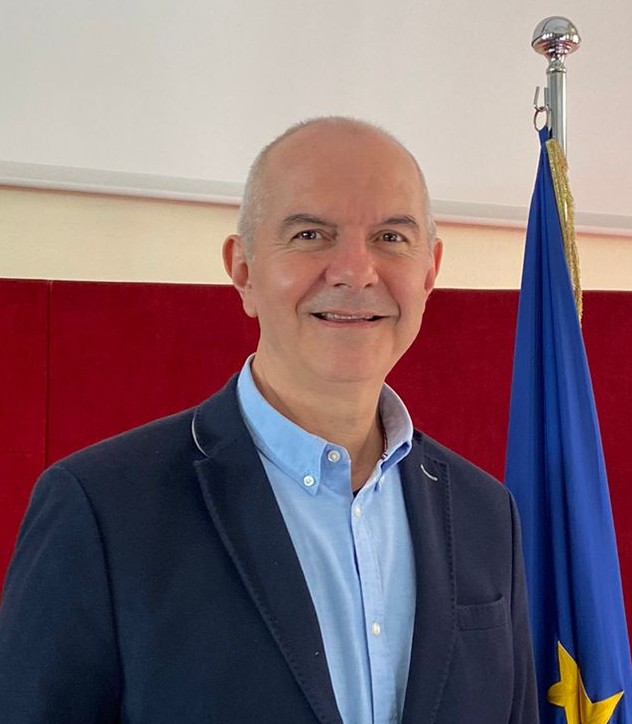
Prof. Cravotto is Full Professor of Organic Chemistry at the University of Turin since 2005. He has been Director of the Department of Drug Science and Technology since 2007 until October 2018, and vice-Director until October 2024. He is Editor-in-Chief of Processes (MDPI).
His research activity in the domain of green technologies for process intensification in chemical synthesis, extraction and processing, is documented by 630 scientific, peer-reviewed papers (H. Index 90 with over 35,000 citations by Google Scholar), 24 patents, 55 book chapters and 7 books as editor.
He collaborates with a variety of industrial partners across a number of fields, including food processing, phytoextracts, pharmaceutics, fine chemicals, cosmetics, and biomedical polymers.
He was awarded with the National Scientific Research Price 2018, the Gold medal in chemistry “E. Paternò” 2017-2020 and the Green Sustainable Chemistry award 2026 by the Italian Chemical Society.
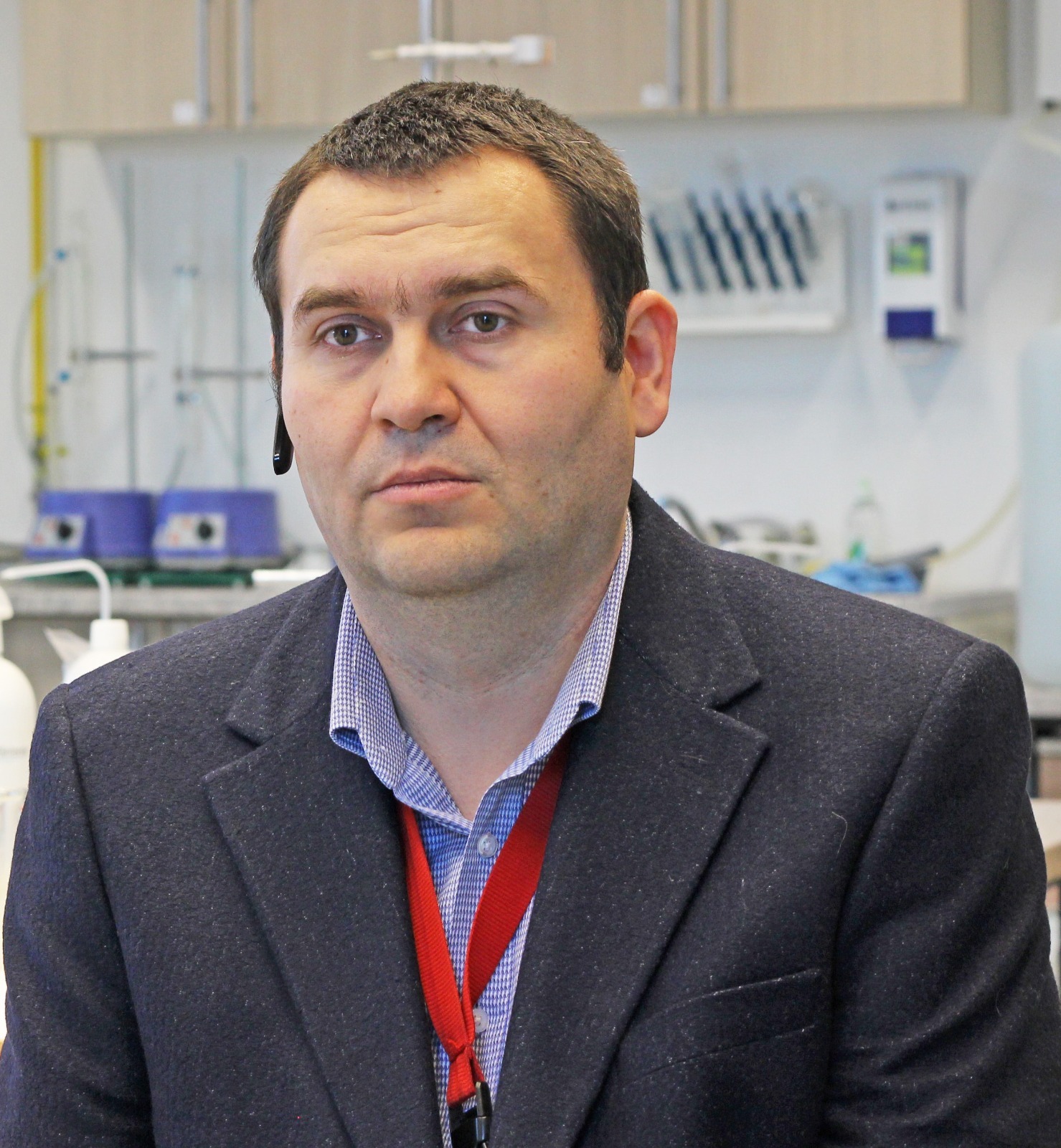
Anton FICAI (born 1981) is full professor and PhD coordinator in the Faculty of Chemical Engineering and Biotechnologies, National University of Science and Technology POLITEHNICA Bucharest, being actively involved in both academic and scientific life of the university.
His major academic interests are related to Composite Materials for Medicine, NanoBioMaterials for Tissue Engineering, Coatings and Chemical Surface Modification, and Drug Delivery Systems.
Till now, over 400 scientific papers, from which over 350 ISI papers, and 24 books or chapters (including 3 edited books) were published along with 14 issued patents.
The international recognition of the R&D activity can be highlighted by the multiple invitations to participate as speaker at international conferences, the positions of guest editor, member of the editorial boards of different national and international journals, as well as Section Editor in Chief of Coatings.
Valedictorian of POLITEHNICA Bucharest, former participant and laureate of the National Chemistry Olympiads, he was awarded with over 150 Gold Medals, Special Awards or Best Paper Awards, but also with the Special Prize awarded by the Ministry of Education and Research at the first Research Gala, 2023.
He is also full member of The Academy of Romanian Scientists and several professional societies.
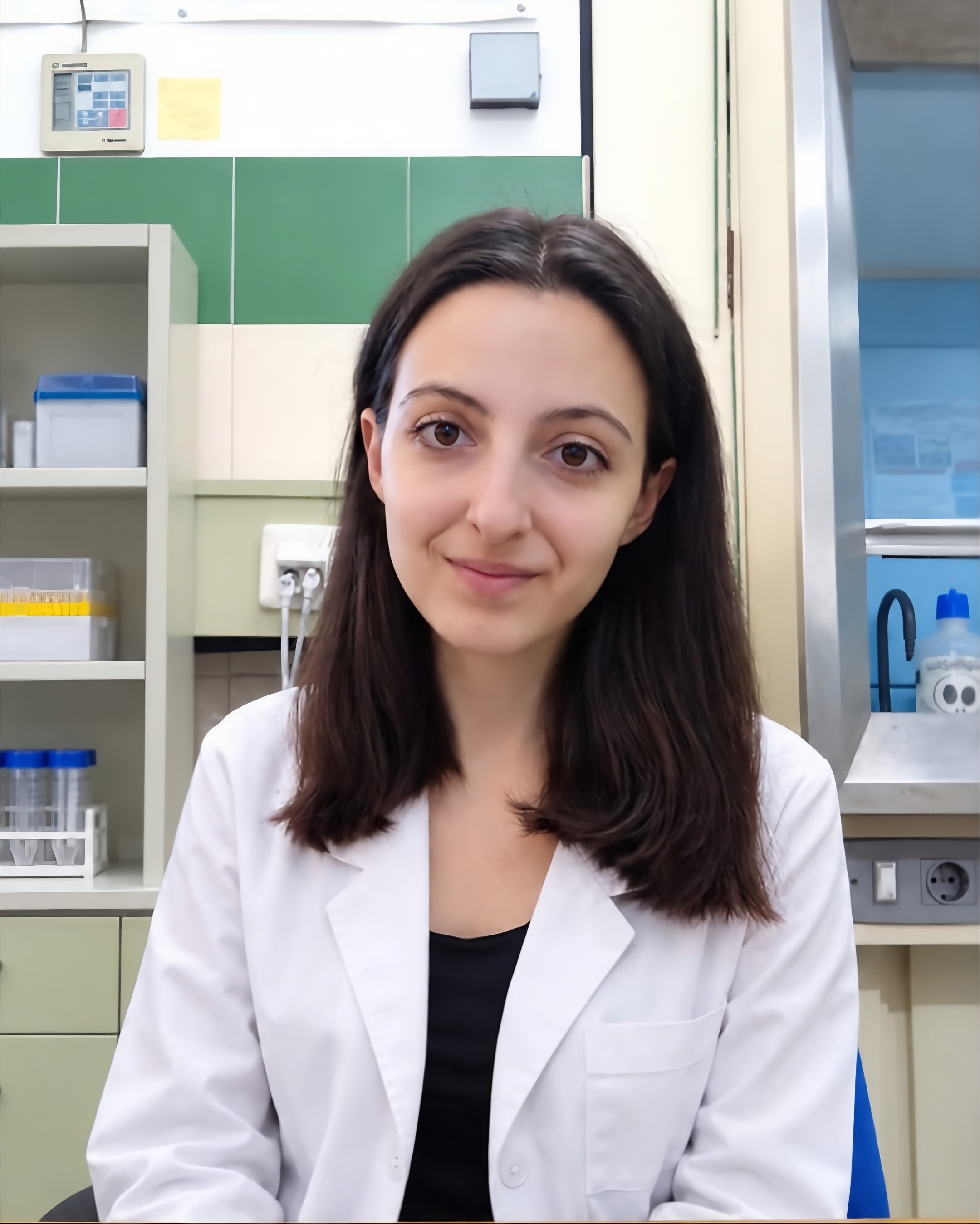
Dr. Clara Pérez González is a Postdoctoral researcher in Materials Science at the University of Valladolid, where she is a member of the BioEcoUVA Research Institute and the UVASENS research group.
Her research focuses on the development and characterization of functional and nanostructured materials for electrochemical sensing, including multisensor systems, bioelectronic tongues and molecular recognition approaches for complex sample analysis.
She holds a PhD in Physics from the University of Valladolid, with a background in Biotechnology and a Master’s degree in Nanoscience and Molecular Nanotechnology.
Her research experience includes international collaborations with Sheffield Hallam University and the Polytechnic Institute of Bragança, together with active involvement in national and European-funded research projects on advanced sensing technologies and functional materials.
Her work has contributed to the development and validation of multisensor platforms for agri-food quality control and to university–industry collaborations, including projects with Calidad Pascual aimed at transferring sensor technologies towards practical applications in the dairy sector.
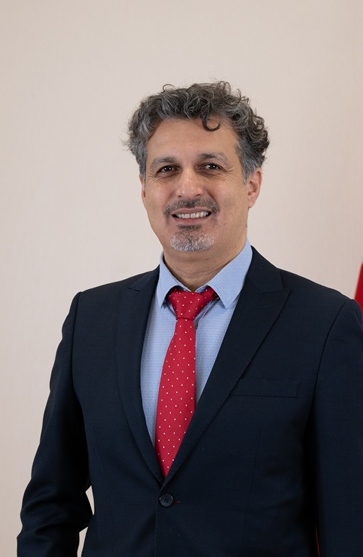
Prof. Dr. Mustafa Kemal Gümüş is a Professor of Chemistry at Artvin Çoruh University, Türkiye, where he conducts research in synthetic organic chemistry, heterocyclic chemistry, green chemistry, and the development of biologically active compounds.
His research interests include the synthesis and functionalization of heterocyclic compounds, multicomponent reactions, modified Biginelli reactions, selective oxidation chemistry, and the development of novel synthetic methodologies for biologically active molecules. His research also encompasses antioxidant compounds, acetylcholinesterase inhibitors, medicinal and aromatic plants, and microwave- and ultrasound-assisted synthetic approaches.
Prof. Dr. Gümüş has made significant contributions to the synthesis of structurally complex heterocyclic systems through innovative reaction methodologies. His research includes modified Biginelli reactions for the construction of oxygen-bridged and spiro-fused heterocyclic frameworks, microwave-assisted synthesis of substituted 1,2,4-triazoles, and the synthesis and investigation of biologically active heterocyclic compounds. His recent work also addresses the green synthesis of natural carboxylic acids and alcohols from Cinnamomum cassia oil, reflecting his interest in sustainable and environmentally friendly synthetic chemistry.
He received his Ph.D. in Organic Chemistry from Yıldız Technical University, where his doctoral research focused on cyclocondensation reactions of heteroaromatic systems. He subsequently carried out postdoctoral research at the University of Ioannina, Greece, and worked as a guest researcher at the Institute for Single Crystals of the National Academy of Sciences of Ukraine, specializing in heterocyclic compounds chemistry.
Prof. Dr. Gümüş has been a faculty member at Artvin Çoruh University since 2010, where he has held academic positions as Assistant Professor, Associate Professor, and Professor. Prior to joining Artvin Çoruh University, he served as a Research Assistant in the Division of Organic Chemistry at Yıldız Technical University.
His scientific work has resulted in publications in international peer-reviewed journals covering synthetic methodology, heterocyclic chemistry, green synthesis, and biologically active molecules. Through his research and academic activities, Prof. Dr. Gümüş continues to contribute to the development of innovative, sustainable, and biologically relevant approaches in modern organic chemistry.
Dr. Adriana Ispas received her MSc in Applied Physics in 2001 from Alexandru I. Cuza University in Iasi, Romania, and her PhD in Physical Chemistry in 2007 from Dresden University of Technology, Germany, in Prof. Waldfried Plieth's group on the electrochemical deposition of ferromagnetic layers under the influence of external magnetic fields.
Since 2001, she has worked in research and development at various universities and institutes, such as at the National Institute of Research and Development for Technical Physics in Iasi (Romania), at the Laboratory for Electronics in E.N.S.E.E.I.H.T, Toulouse (France), in IFW (Leibniz Institute for Solid State and Materials Research) Dresden (Germany), at the Dresden University of Technology (Germany), at the University of Utah, Salt Lake City (USA), and at the Technische Universität Ilmenau (Germany). Dr. Ispas' research focuses on fundamental and applied aspects of electrochemistry, such as electroplating.
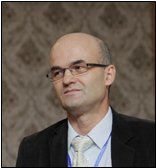
Dr. Ionel Mangalagiu is a professor of organic and medicinal chemistry at Alexandru Ioan Cuza University of Iasi, Romania. Prof. Mangalagiu served the university as Vice-Rector for research, Dean, Vice-Dean, Head of Organic Chemistry Department, etc. (at the Faculty of Chemistry).
He has nearly 40 years of experience in research, focused on the area of Heterocycle Compounds. He has over 200 papers, 15 patents, 6 international chapter books, a Hirsch index of 32 (WOS), 36 (Google), etc. He was Visiting Professor and/or invited speaker to prestigious foreign universities (Ludwig Maximilianus University Munchen, Technische Universität Braunschweig, University of Florence, Université D'Angers, University of Vienna).
He was awarded with numerous prizes and honours: DAAD and NATO award, Costin D. Nenitescu Medal (Romanian Society of Chemistry), Ioan Tanasescu Award for Excellence in Organic Chemistry (American Chemical Society in association with the Romanian International Chapter), Award for Excellence in Research (Alexandru Ioan Cuza University of Iasi), Grand Prize Euroinvent (Euroinvent, Romania), Special Award of Croatian Association of Inventors, etc. He is a Member of the Romanian Chemical Society, the International Society of Heterocyclic Chemistry, the Royal Society of Chemistry, the American Chemical Society, etc.
Website / ORCID: http://teclu.chem.uaic.ro/mangalagiu | ORCID: 0000-0002-4632-5076
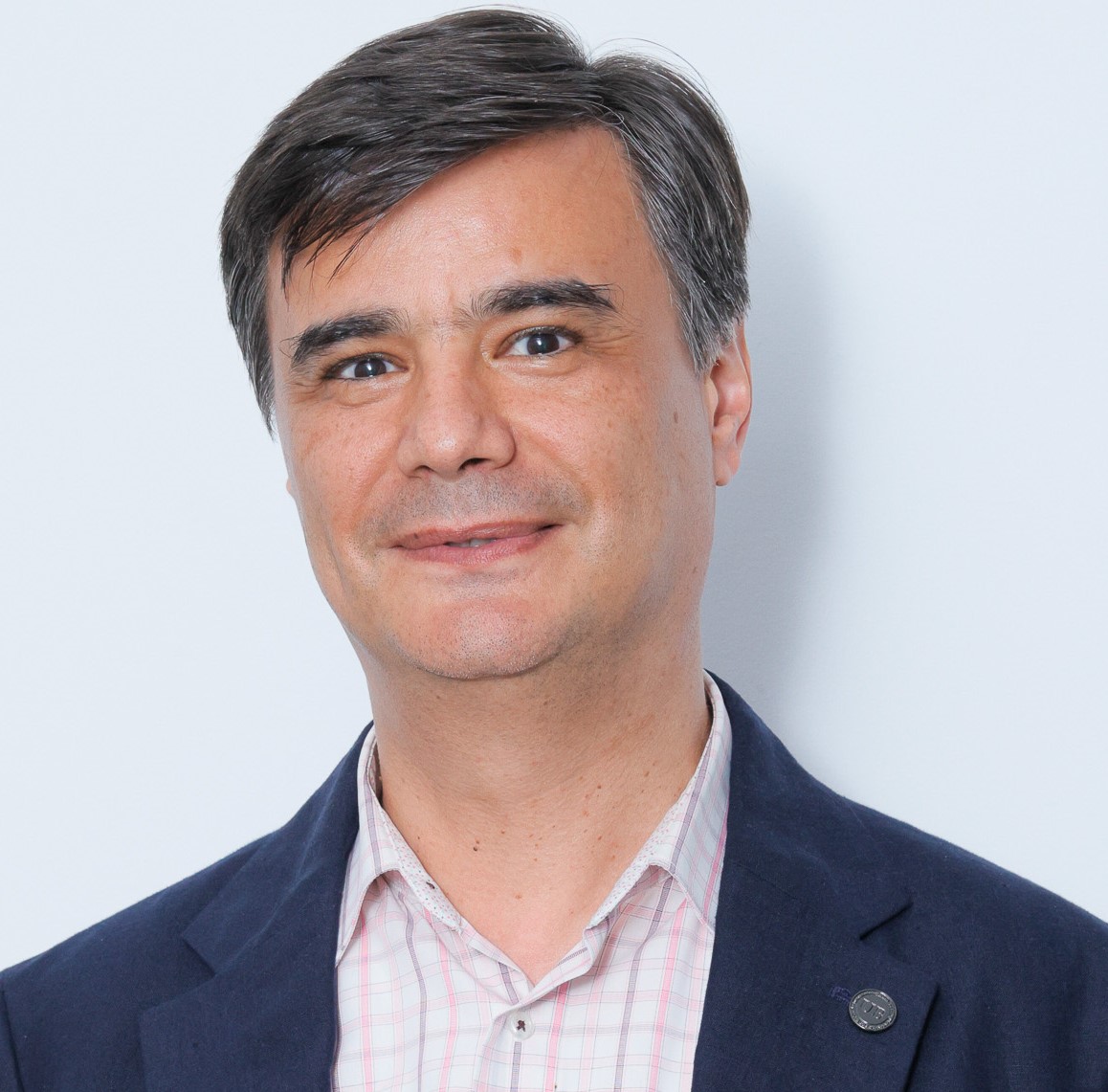
Prof. Dr. Ioan-Cezar Marcu got his PhD in Catalysis at the Institute of Catalysis, University "Claude Bernard" Lyon 1, France, in 2002, and was a post-doctoral fellow at the Institute Charles Gerhardt of Montpellier, France, from October 2006 to September 2007.
He got his Habilitation in Catalysis in 2013, and was appointed Professor of Chemical Technology and Catalysis at the University of Bucharest in February 2020. Currently he is the Head of Department of Inorganic & Organic Chemistry, Biochemistry & Catalysis of the University of Bucharest.
His research interests cover the field of catalysis by metal oxides, including layered double hydroxide-derived oxides. His research work places a strong emphasis on the relationship between the physicochemical characteristics of the oxides and their catalytic performance.
He co-authored more than 90 scientific publications, including three book chapters and four encyclopedia articles.
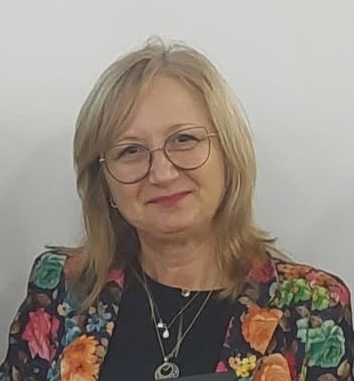

Dr. Marcela Mihai is the Head of Laboratory of Functional Polymers of Petru Poni Institute of Macromolecular Chemistry (ICMPP) (since 2016), laboratory highly recognized for its contributions in the synthesis, characterization, and applications of polyelectrolytes and polyelectrolyte complexes, as well as for those on surface modification.
She served as Scientific Director (2019-2026) and member of the Scientific Council of ICMPP (since 2015). Member (since 2004), General Secretary (2021-2025) of Romanian Chemical Society and President of its Iasi Branch (since 2025). Member in the board of European Polymer Federation (since 2024), member in EuChemS Division of Solid State and Materials Chemistry (since 2025).
Habilitated in chemistry in 2016, supervisor of 5 doctors and 5 PhD students. Director of Doctoral School of Chemical Science of School of Advanced Studies of the Romanian Academy (since 2023). Training tutor for students for their practical training in ICMPP. Organizer of national (5) and international (10) scientific meetings.
Publishing activity & research management: 4 edited books, co-author of a book, 7 book chapters, >100 articles published in international peer-reviewed journals, 4 national (two awarded, two pending) and 1 EU patent applications. Groups administration and research management, as group leader and projects leader (member in >25 European and national, leader of 3 European, 6 national).
Awards: Costin D. Nenitzescu Prize of the Romanian Academy for group papers "Composite materials based on calcium carbonate and pH-sensitive polyelectrolytes" published in 2012 and Bogdan C. Simionescu Award of American Chemical Society in association with the Romanian International Chapter for excellence in macromolecular chemistry (2025).
Dr. Simona Oancea is Full Professor of Biochemistry and Food Toxicology at the “Lucian Blaga” University of Sibiu, Romania.
She is the Scientific Secretary of the “Research Centre on Biotechnology and Food Engineering” of the "Lucian Blaga" University of Sibiu, and a member of the Scientific Editorial Board of the IDB indexed journal "Acta Universitatis Cibiniensis - Food Technology". With a career spanning over three decades, she has integrated teaching excellence, advanced research, and academic leadership. Following her PhD in Chemistry at the University of Bucharest, she was awarded a postdoctoral fellowship in Peptide Chemistry at the University of Padova, Italy. Throughout her academic career, she has played a key role in mentoring students, including doctoral students.
Across her scientific studies, four main fields emerge:
Professor Simona Oancea has published extensively in relevant peer-reviewed journals, and has been awarded two national patents, her innovative work being recognized with gold and silver medals at national and international innovation events.
She has contributed to major national and international research projects across several interconnected fields (biochemistry, environment, food engineering, nanotechnologies) with extensive experience focusing on fundamental aspects as well as applicative features (food, textiles).
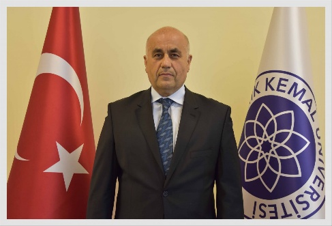
Prof. Dr. Nesimi Uludağ is a Professor of Chemistry in the Organic Chemistry Division, Department of Chemistry, at Tekirdağ Namık Kemal University, Tekirdağ, Türkiye.
His research focuses on synthetic organic chemistry, with particular emphasis on the synthesis and functionalization of heterocyclic compounds, alkaloid synthesis, enamine chemistry, and the development of novel synthetic methodologies.
Throughout his academic career, Prof. Dr. Uludağ has made significant contributions to the scientific literature through his research on heterocyclic compounds and innovative organic synthesis. His work includes catalytic annulation reactions for the synthesis of carbazolones and other functionalized heterocyclic systems, as well as the development of bioactive small molecules with potential applications in medicinal chemistry.
In recognition of the scientific impact of his research, Prof. Dr. Uludağ was included in the “World’s Top 2% Scientists” list prepared through a collaboration between Stanford University and Elsevier. His scientific contributions have resulted in numerous publications in international peer-reviewed journals.
At Tekirdağ Namık Kemal University, he contributes to undergraduate and graduate education in organic chemistry, organic reaction mechanisms, synthetic organic chemistry, and chemical literature, while continuing his research in synthetic methodology, organic reaction design, and heterocyclic chemistry.